
Petrol in Diesel Car Scotland
We are petrol in diesel recovery specialists, draining and flushing contaminated fuel systems from all vehicle types across Scotland.
All of our technicians are fully qualified and fully insured, with hundreds of five-star reviews.
24/7 emergency callouts across Scotland, available whenever you need us.
Petrol in a Diesel Car
Petrol in Diesel Car Symptoms
Petrol in a diesel car is Scotland’s most common misfuelling scenario, and it’s easy to see why. The standard petrol nozzle fits most modern diesel fillers without resistance. There’s no audible warning, no mechanical stop, nothing to alert you to the mistake until you notice the nozzle in your hand and the pump display showing unleaded.
If you’ve caught it before starting the engine, you’re in the best possible position. The contaminated fuel is sitting in the tank and hasn’t been drawn into the system. A drain and flush at that stage is a straightforward job. If symptoms have appeared, such as rough running, white or grey exhaust smoke, a metallic knock from the engine bay, or loss of power, the engine has already run on contaminated fuel, and the picture is more complicated. Either way, the next step is the same. Engine off, somewhere safe, call us.
Wrong Fuel in Car
Don’t Panic, we can help
Petrol into Diesel Car
Turn off the car’s engine
Misfuelled Car
Call us now!
Wrong Fuel Removal
Wait we reaches you in 35 minutes
What Our Clients Say About Us
Fast, friendly service from Jamie and his team. (and very reasonable prices) Highly recommended.
antastic service was there when they said they would be , fast efficient and courteous!! Would definitely recommend 
Sunday morning (7:30am May I add) an unexpected mishap from the husband – £40 worth unleaded in our diesel Toyota. Superb service from first contact to finish. Car was purring again in no time. Thank you for a very highly recommended service from these guys. Hopefully in the nicest way will not be seeing them again  Top class company 5
Small Amount of Petrol in Diesel Car
20 Litres of Petrol in Diesel Car
“It was only a small amount” is one of the most common things we hear on a callout. It’s understandable, surely a few litres in a full tank can’t cause real problems?
In older diesel vehicles with lower injection pressures, that might have been closer to true. In modern common rail diesels, the threshold is considerably lower. The systems operate at such high pressures that even a relatively small petrol contamination reduces lubrication enough to cause pump stress if the engine runs.
The volume you added does affect the job, a small contamination caught before the engine starts is a quicker and simpler recovery than a large one. But it doesn’t change whether you need to call us. Any petrol in a modern diesel fuel system is worth a professional recovery rather than a wait-and-see.
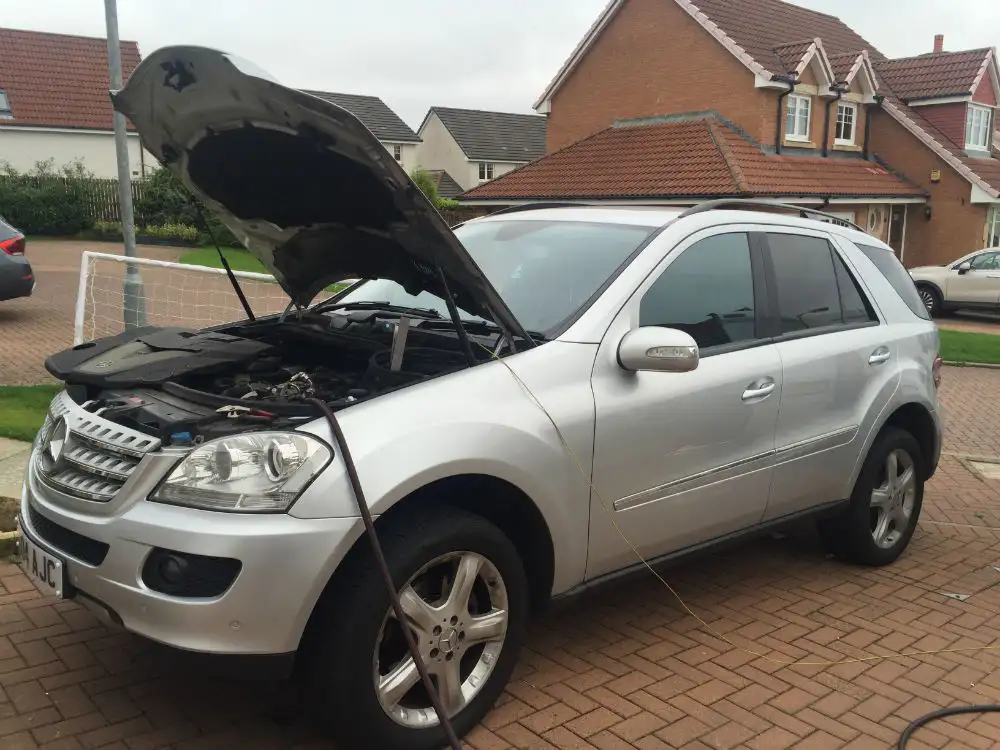
Petrol in Diesel Engine Scotland
Common Rail Fuel System
Modern diesel engines are built around high-pressure common rail injection systems that operate at pressures most petrol engines never come close to.
- These systems rely on diesel’s natural viscosity to lubricate the injection pump and injectors, without that lubrication, precision metal surfaces operating at extreme pressure begin to wear against each other
- Petrol has almost no lubricating properties compared to diesel: the moment a diesel engine starts on a petrol-contaminated mix, that protection is gone, and damage can begin within seconds
- The injection pump is the most vulnerable component: pump failure from petrol contamination often sends fine metal particles downstream through the fuel system, reaching the injectors and filter as well
Don’t start the engine, the damage begins the moment it does.
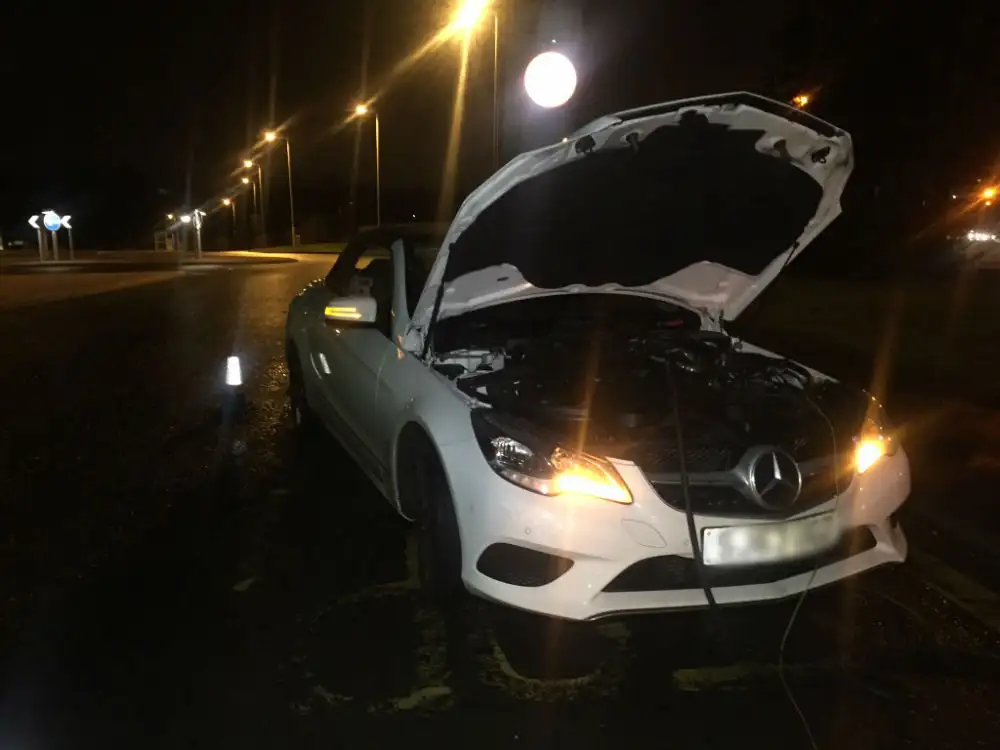
Unleaded Petrol in a Diesel Car
Petrol in Diesel Tank
Unleaded petrol accounts for the vast majority of petrol-in-diesel incidents, and the reason it happens so often comes down to a design change made on modern vehicles.
- Older diesel vehicles had wider filler necks that physically blocked the standard petrol nozzle from entering, most modern diesels have lost that protection, leaving nothing between the petrol nozzle and the diesel tank except driver attention
- Hire cars, fleet vehicles and vehicles borrowed from family or friends account for a disproportionately large share of petrol-in-diesel callouts: when you’re not in your own regular car, the automatic habit of reaching for the right pump doesn’t always fire the way it should
- The forecourt environment itself adds to the risk, pumps arranged differently to what you’re used to, different nozzle positions, a queue building up behind you
If it’s happened, keep the engine off and call us.
Petrol in Diesel Car Near You
Petrol in Diesel Specialist
If you’re searching for petrol in diesel recovery near you, we cover our service area with a mobile unit that comes directly to your location.
We ask that your vehicle is in a safe, off-road spot before we attend, a forecourt bay, a car park space, or a private address all work fine. We carry everything needed to drain, flush, and verify on site. The average response is around 35 minutes from when you call, though this varies depending on your location in Scotland and road conditions at the time.
Call us, tell us where you are and whether the engine has been started. We’ll come to you.
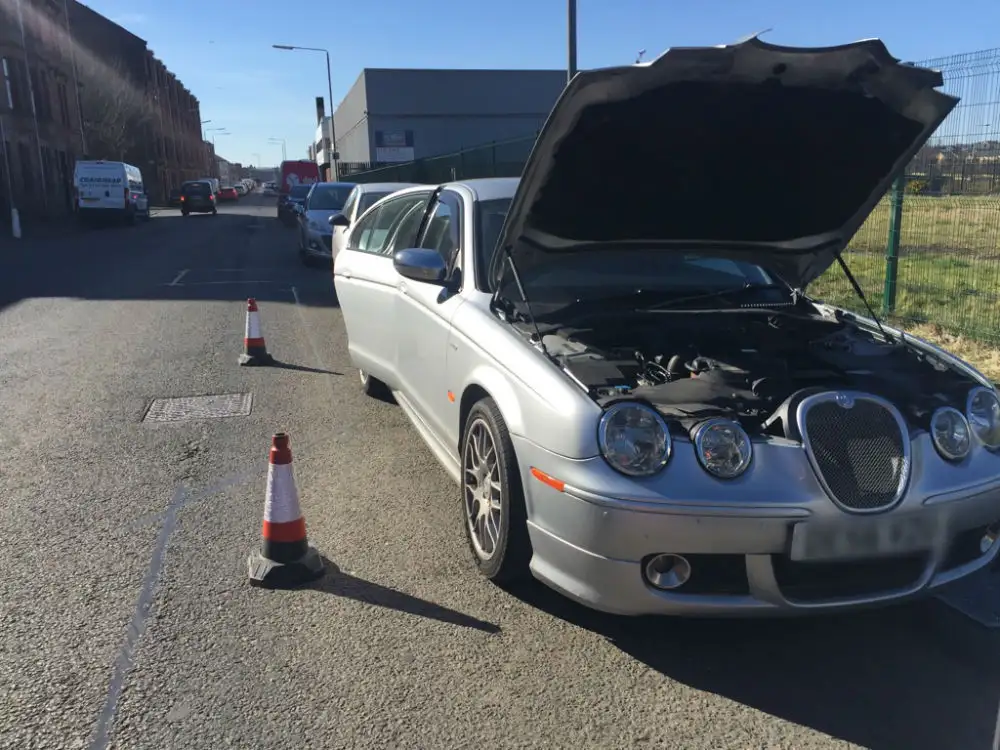
Putting Petrol in a Diesel Car
Accidentally Put Petrol in Diesel Car
If you’re still at the pump when the mistake clicks, there’s a clear sequence to follow.
- Put the nozzle back and step away from the car without touching the ignition. If other drivers are waiting, let the forecourt staff know what’s happened, and they’ll help manage the space
- Don’t add more fuel in an attempt to dilute the petrol: it won’t make the contamination safe in a modern common rail system, and adding more fluid just means more to extract when we arrive
- Push the car to a safe bay by hand if you can, get yourself into a comfortable spot and call us, we’ll take it from there
The one thing that makes the biggest difference between a simple job and a complicated one is the engine staying off.

Petrol in Diesel Van Scotland
Fleet Fuel Drain Service
We recover diesel vans misfueled with petrol regularly, and fleet operators and tradespeople make up a significant share of our callouts.
- A diesel van carries the same injection system risks as a passenger car, the contaminated fuel reaches the pump and injectors just as quickly, and the engine-off rule is equally important regardless of vehicle size
- Vans typically have larger tanks than passenger cars, which often means more contaminated fuel to extract and a longer flush procedure: fleet managers should be aware that job scope can vary significantly depending on the tank volume involved
- We cover all commercial vehicle types and fleet managers can call us directly for any vehicle in their operation: full written documentation is provided for every commercial recovery
Ring us directly if you manage a fleet and need a recovery sorted quickly.
Put Petrol in Diesel Car
Petrol in Diesel Car by Mistake
If you’ve put petrol in your diesel car by mistake, the first thing to know is that you’re far from alone. Tens of thousands of drivers do the same thing every year in the UK, and it happens to careful, experienced drivers just as often as anyone else.
What matters is what you do immediately afterwards. Engine off. Car in a safe place. Call us. That sequence is what keeps the job manageable. The longer the engine runs on contaminated fuel, the more the damage accumulates, and that damage is entirely avoidable if you act quickly.
We’ve seen every version of this situation. Whether the engine hasn’t started, or it ran for a few seconds, or you drove a short distance before symptoms made you pull over, we’ll assess what we’re dealing with on arrival and go through the work required before starting anything.
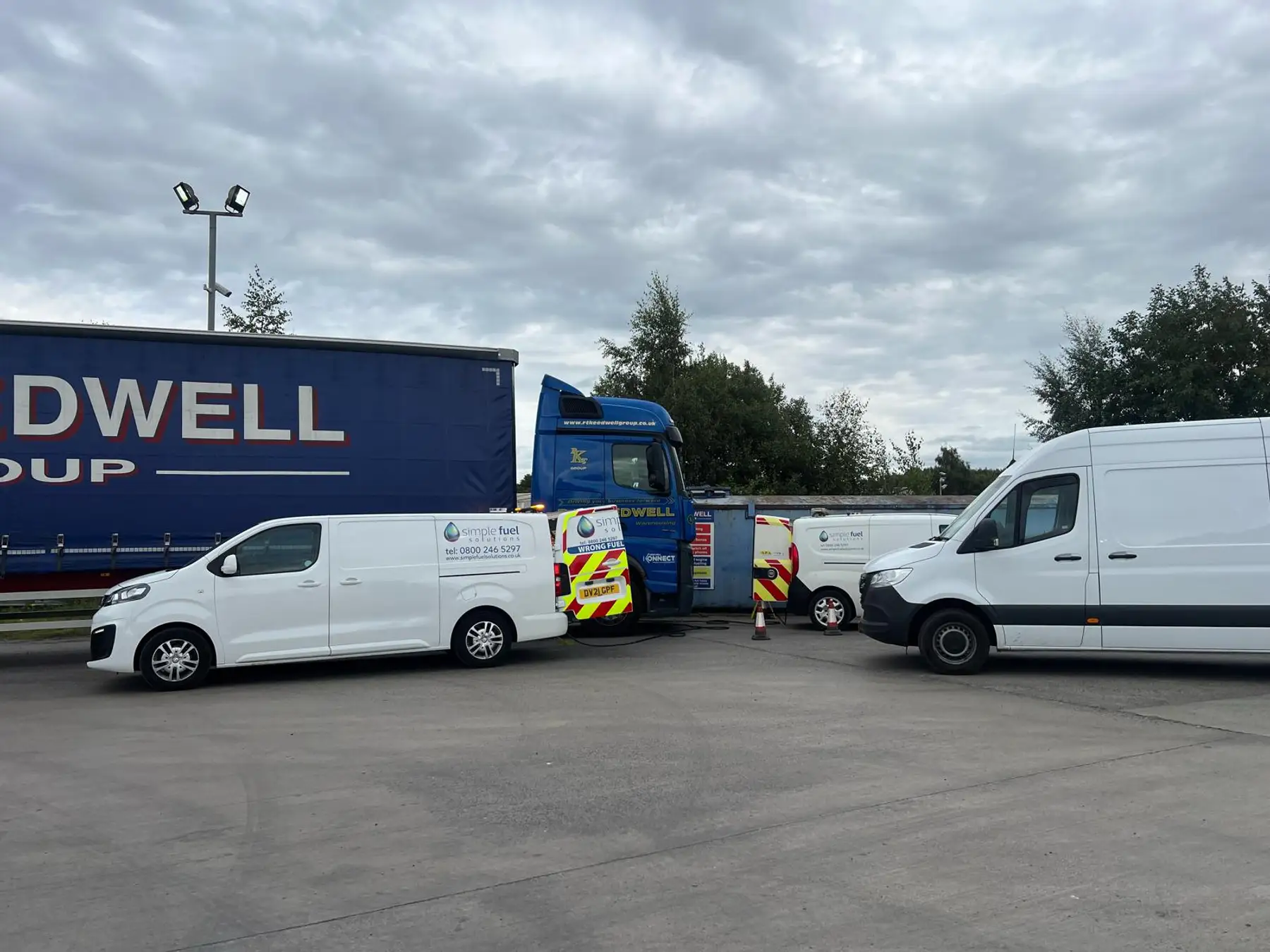
Petrol into Diesel Tank
Petrol in Diesel Car What to Do
Once petrol is in the diesel tank, the priority is keeping it in the tank rather than letting it circulate through the fuel system.
- Stop filling and replace the nozzle, don’t add any more fuel and don’t start the engine or use the ignition for any reason, even to release the handbrake or move windows
- Push the car to a safe bay if you can do so without the ignition, let the forecourt staff know and call us from wherever you are
- If you’re not certain you put petrol in, maybe you weren’t concentrating or you’re in an unfamiliar car, tell us that when you call: we’d rather come out and confirm there’s no issue than have you drive away on a problem
We’ll ask a few straightforward questions and get someone heading your way.
Petrol in Diesel Car Cost
Petrol in Diesel Car Insurance
We confirm the cost of every job before starting, and there are no additions to the bill without your agreement.
The variables that affect the work required, and therefore the cost, are the contamination type, how much petrol went in, and whether the engine has run. Our technician goes through all of that on arrival and explains clearly what the recovery needs to cover before anything starts.
A high-pressure injection pump on a modern diesel can cost several thousand pounds to replace, and that’s before any downstream damage to injectors or the fuel filter is considered. Getting us out before the engine runs is nearly always the significantly less expensive outcome.
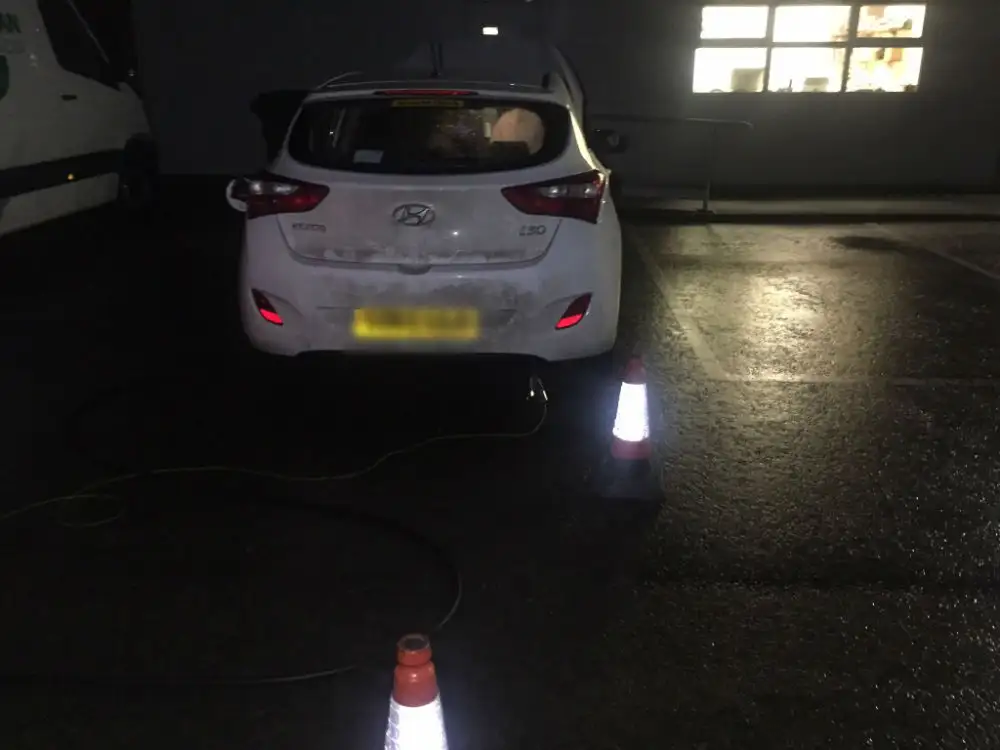
Petrol in Diesel Car Near You
Petrol in Diesel Engine Damage
The damage that petrol causes in a diesel engine follows a specific sequence, and understanding it explains why acting early is so important.
- The injection pump is the first casualty: operating at pressures up to 2,000 bar on modern common rail systems, with internal surfaces that depend entirely on diesel’s lubrication, it begins to wear the moment petrol removes that protection
- As the pump wears, fine metal particles are released into the fuel system and circulate downstream, reaching the injectors, the fuel filter and potentially the fuel rails, a pump failure from petrol contamination rarely stays contained to the pump alone
- Every second the engine runs on contaminated fuel extends the damage: the engine-off instruction isn’t overcautious, it’s the one action that limits where the problem ends
Keep the engine off and call us as soon as the mistake is discovered.
Petrol in Diesel Car Insurance
Petrol in Diesel Car Damage
Whether your insurance policy covers petrol in diesel recovery depends on the specific terms of your policy. Some comprehensive policies include accidental misfueling as a named event under accidental damage cover. Many don’t, and breakdown cover varies significantly between providers.
Check your documents specifically for misfuelling or wrong-fuel language, rather than assuming your cover extends to it. We issue a written job report with every callout, covering the contamination type and volume, the work done, and the operational sign-off. That report is what your insurer will need to process a claim, keep it alongside your forecourt receipt.
If the recovery cost is less than your policy excess, paying directly and preserving your no-claims record is usually the smarter financial call.
Petrol in Diesel Car FAQ
I've just put petrol in my diesel car, what should I do right now?
Stop filling and don’t touch the ignition. Push the car to a safe bay if you can, without using the engine, and let the forecourt staff know what’s happened. Call us from wherever you are. The engine-off rule is the single most important thing, everything else we can assess and deal with on arrival. If you’re not certain whether you put petrol in, call us anyway and describe the situation.
How serious is petrol in a diesel car if the engine hasn't started?
If the engine hasn’t started, the contamination is contained in the tank and hasn’t entered the fuel system. That’s the best position to be in and leads to the most straightforward recovery. The petrol is in the tank but hasn’t had the chance to reach the injection pump or injectors. Call us as soon as you can, keep the engine off, and we’ll come and sort it.
I drove a short distance before realising, What now?
Switch the engine off immediately and call us. The amount of driving you’ve done on contaminated fuel affects the scope of the recovery, but it doesn’t mean the situation can’t be resolved. How much damage has accumulated depends on how far you drove and how much petrol went in. We’ll assess everything properly on arrival before confirming what the job needs to cover.
Can I add more diesel to dilute the petrol?
No. Adding diesel doesn’t make the contamination safe, it increases the volume of contaminated fluid we need to extract and raises the cost of the job. Leave the tank exactly as it is, keep the engine off and call us. The more diesel you add, the more there is to deal with on arrival.
Will petrol in my diesel car affect the manufacturer warranty?
It can, if damage has resulted. Having the contamination resolved promptly by a business holding PAS43 certification, with a documented job report, is the strongest position to be in if a warranty question comes up. Our job report shows what happened, what was done about it, and that the vehicle was confirmed running correctly when we left.
Can you recover a diesel car that won't start after misfuelling?
Yes. A diesel that won’t start after petrol contamination is a situation we deal with regularly. It usually means the contamination has affected the injection system or the plugs are fouled, we’ll assess on arrival and go through what’s needed before starting work.
How much petrol is too much in a diesel car?
In a modern common-rail diesel, there’s no truly safe level of petrol contamination. The injection systems operate at pressures where even a relatively small petrol content in the fuel reduces lubrication enough to cause pump stress during operation. The volume does affect the scope and complexity of the recovery, but it doesn’t change whether a professional drain is the right call.
Do you carry out recoveries at petrol stations?
Yes. Forecourts are one of the most common locations we attend. Move the car to a safe bay if you can, let the forecourt staff know and call us from there. We’ll attend the forecourt, carry out the full drain and flush on site and confirm the car is running correctly before we leave.
What does the written job report include?
It covers the contamination type and volume as confirmed on arrival, the recovery procedure carried out, the components assessed or flushed during the job, and the operational sign-off confirming the vehicle was running correctly when we left. It’s suitable for insurance claims, hire company submissions, fleet maintenance records and manufacturer warranty discussions.
How do I prevent this happening again?
A misfuelling prevention device fitted to the diesel filler neck is the most reliable mechanical safeguard, it physically blocks the petrol nozzle from entering. We’re happy to advise on compatible options for your specific vehicle after completing a recovery. Beyond that, a deliberate check of the pump label before picking up the nozzle, every single time, in every vehicle, is the most effective behavioural habit you can build.